

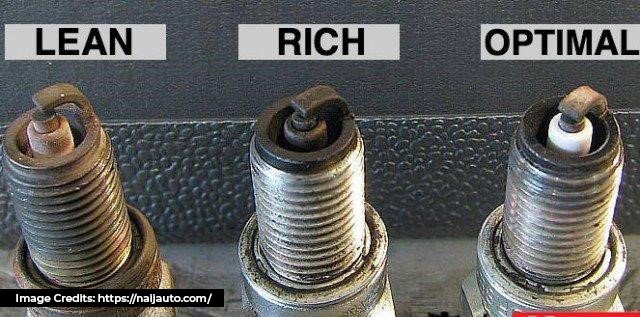
Running rich means your engine is getting more fuel than it needs, affecting performance and fuel efficiency. This condition can lead to black smoke from the exhaust and fouled spark plugs. Not only does it impact your vehicle’s performance, but it can also harm the environment and your wallet. Understanding why your vehicle is running rich is crucial to maintaining its health and optimizing performance. Let’s delve deeper into what causes an engine to run rich and how you can address this issue effectively.

What Does Running Rich Mean: Exploring the Basics
Welcome, young runners and curious minds, to a world where cars, engines, and mysteries collide! Today, we embark on an exciting journey to unravel the secrets of what it means when people talk about a car “running rich.” So, buckle up, fasten your seatbelts, and let’s dive into the fascinating realm of running rich!
The Basics of Engine Performance
Before we delve into the juicy details of running rich, let’s take a quick pit stop to understand the heart of it all – the engine. Imagine your car’s engine as a powerhouse that breathes fire and makes your vehicle zoom down the road. To perform at its best, the engine needs a perfect balance of fuel and air, just like your body needs the right mix of food and exercise to stay healthy and strong.
What is the Fuel-Air Mixture?
Inside the engine, there’s a magical moment where fuel and air come together to create a fiery dance that propels your car forward. This magical mix is called the fuel-air mixture, and it plays a crucial role in how well your engine runs. Too much fuel or too little air can throw off this delicate balance, leading to performance issues.
Introducing Running Rich
Now, imagine a scenario where your engine is like a picky eater getting too much food and not enough exercise. This imbalance is what we call “running rich.” When an engine runs rich, it means that there’s too much fuel in the fuel-air mixture, upsetting the harmony needed for optimal performance.
Signs Your Engine is Running Rich
How can you tell if your car’s engine is running rich? Keep an eye out for these telltale signs:
1. Black Smoke
Have you ever seen a car spewing out dark, ominous clouds of black smoke? That’s a clear sign of a rich-running engine. The excess fuel isn’t burning efficiently, leading to the creation of this dirty smoke.
2. Foul Odor
If your car gives off a strong smell of gasoline, it could indicate that the engine is running rich. The unburned fuel releases an unpleasant odor that you can’t miss.
3. Decreased Fuel Efficiency
When your engine runs rich, it guzzles more fuel than necessary to keep running. This excess fuel consumption can lead to a decrease in fuel efficiency, meaning you’ll find yourself making more trips to the gas station.
The Impact of Running Rich
Running rich isn’t just a quirky engine behavior; it can have real consequences for your car’s performance and longevity. Let’s explore how running rich can affect your vehicle:
1. Engine Damage
An engine that runs rich is like an overworked athlete – it strains itself trying to process all the excess fuel. This can lead to carbon buildup, fouled spark plugs, and other issues that can damage the engine over time.
2. Environmental Impact
Not only does running rich harm your car, but it also harms the environment. The unburned fuel releases harmful emissions into the air, contributing to pollution and environmental damage.
3. Performance Issues
A rich-running engine can feel sluggish and unresponsive, affecting your car’s acceleration and overall performance. It’s like trying to run a race with a heavy backpack on – not very efficient or fun!
How to Fix a Rich-Running Engine
If you suspect that your engine is running rich, fear not! There are ways to address this issue and get your car back on track. Here are a few steps you can take:
1. Check the Oxygen Sensor
The oxygen sensor monitors the amount of oxygen in the exhaust gases and helps regulate the fuel-air mixture. A faulty oxygen sensor can cause the engine to run rich, so it’s essential to have it checked and replaced if needed.
2. Inspect the Air Filter
A clogged or dirty air filter can restrict airflow to the engine, leading to a rich-running condition. Make sure to inspect your air filter regularly and replace it when necessary to ensure proper engine performance.
3. Tune-Up the Engine
A regular engine tune-up can work wonders in optimizing your engine’s performance. This includes checking and adjusting spark plugs, fuel injectors, and other components to ensure the fuel-air mixture is just right.
In Conclusion
And there you have it, young explorers – the thrilling world of running rich and its impact on your car’s performance. Remember, maintaining a healthy fuel-air mixture is key to keeping your engine happy and your car running smoothly. So, next time you hear someone talk about a car running rich, you’ll know exactly what they mean!
Now, go forth with this newfound knowledge and conquer the roads with confidence. Until next time, happy running!
Rich vs Lean Running Engine | How to Diagnose Rich and Lean Fuel Mixtures | Lean and Rich Symptoms
Frequently Asked Questions
What causes an engine to run rich?
Engines run rich when the air-fuel mixture contains more fuel than the ideal ratio. This can be caused by issues such as a faulty oxygen sensor, clogged air filter, malfunctioning fuel injectors, or a problem with the engine’s computer system.
How does running rich affect the performance of a vehicle?
Running rich can lead to decreased fuel efficiency, fouled spark plugs, increased emissions, and potential damage to the catalytic converter. It may also result in black smoke coming from the exhaust and a noticeable decrease in engine performance.
How can you tell if your engine is running rich?
Signs of a rich-running engine include a strong gasoline smell from the exhaust, black smoke, decreased fuel efficiency, rough idling, and sluggish acceleration. Additionally, the engine may misfire or have difficulty starting.
What are the potential risks of running a vehicle rich for an extended period?
Continuously running a vehicle rich can lead to increased carbon buildup in the engine, which can eventually cause damage to components such as the spark plugs, oxygen sensors, and catalytic converter. It can also result in higher levels of harmful emissions being released into the environment.
Final Thoughts
Running rich means the engine is receiving too much fuel relative to the amount of air in the combustion process. This can lead to decreased fuel efficiency, black smoke from the tailpipe, and potential damage to the engine. It is crucial to address this issue promptly to avoid further complications. Regular maintenance and tuning can help prevent running rich conditions and ensure optimal engine performance.