
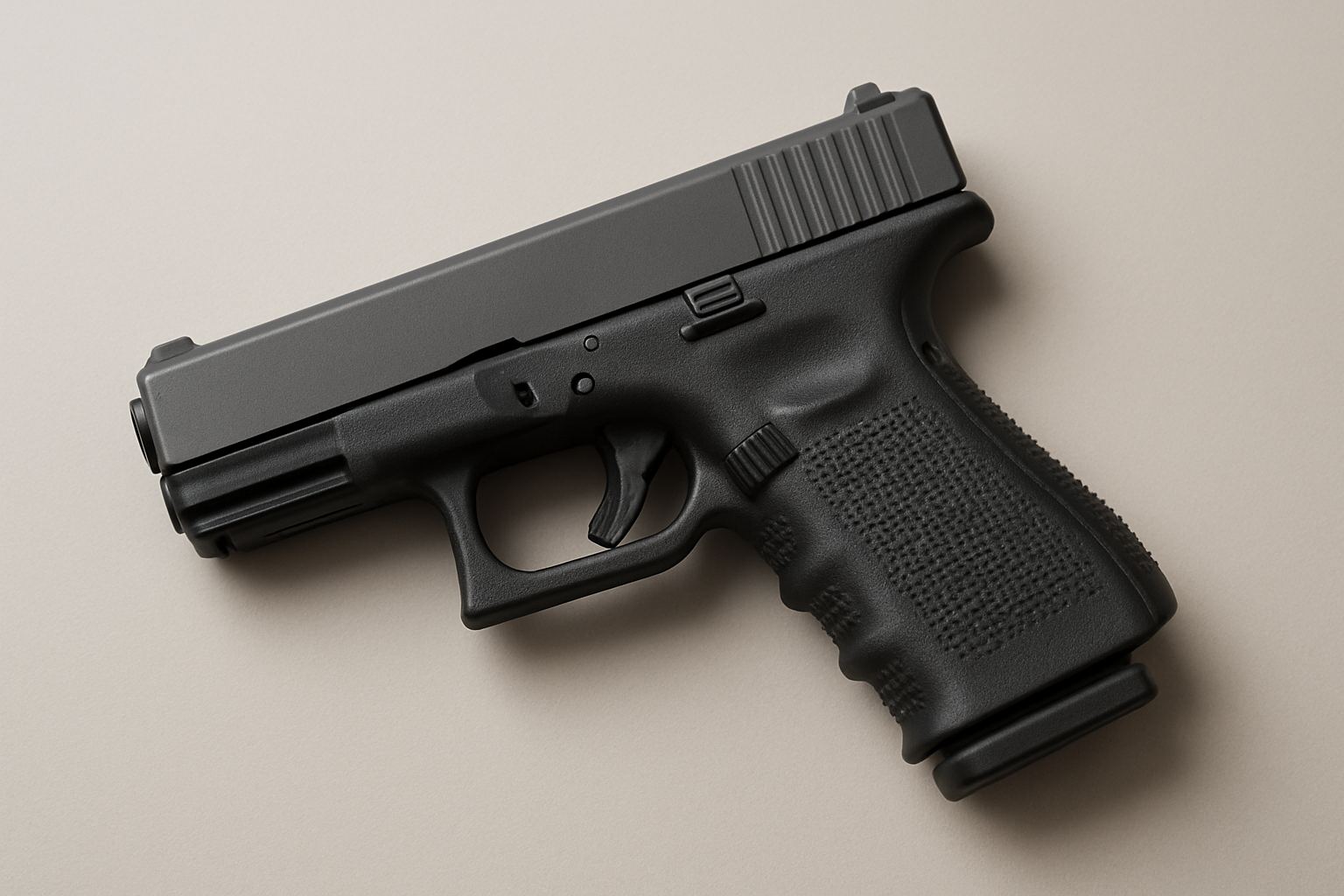
The firearm modification space has expanded considerably, with a growing number of conversion options available for one of the most widely used handguns in circulation. The Glock 19 attracts significant attention from those looking to customize their shooting experience, whether for competition, training, or personal preference. Yet the enthusiasm surrounding aftermarket modifications often outpaces the safety education that should accompany it. Exploring a glock 19 conversion responsibly means building a foundation of knowledge before touching a single component of the firearm.
What role does firearm education play in safe conversions?
Knowledge is the most important tool any gun owner can possess. Before attempting or commissioning a conversion, a thorough understanding of how the Glock 19 functions in its factory configuration is essential. This includes familiarity with the trigger group, the Safe Action system, the barrel and chamber mechanics, and the interaction between the slide, frame, and magazine. Gun owners who understand the standard mechanical operation of their firearm are far better equipped to evaluate whether a proposed modification is safe, compatible, and practical.
Why do some conversions require professional installation?
While some modifications are straightforward enough for experienced owners to install at home, others require the precision and expertise of a trained gunsmith. Any conversion that involves the barrel, trigger group, or internal frame components falls into the category where professional involvement is strongly advised. Gunsmiths have access to specialized tools and gauges that allow them to verify fitment and tolerances that are not assessable through visual inspection alone. They can also test the firearm under controlled conditions before returning it to the owner, providing an additional layer of assurance.
How can improper installation affect the Glock 19’s safety mechanisms?
The Glock 19 incorporates multiple internal safety mechanisms designed to prevent unintended discharge. These include the trigger safety, the firing pin safety, and the drop safety. An improperly installed conversion component can interfere with one or more of these mechanisms, either by physically obstructing their function or by altering the tolerances that allow them to operate correctly. A firearm with compromised safety mechanisms presents a serious hazard, particularly in situations involving physical stress, impact, or unusual handling conditions. Verifying the function of all safety features after any modification is a non-negotiable step.
What should gun owners know about range testing a converted Glock 19?
Range testing is the most direct way to evaluate whether a conversion has been executed safely and correctly. The process should begin with a visual and manual inspection of the firearm, followed by a dry-fire test to confirm that the action cycles smoothly and that the trigger resets correctly. Live-fire testing should then proceed in stages, starting with a small number of rounds and gradually increasing as confidence in the conversion grows. Any sign of irregularity—including unusual recoil patterns, failure to cycle, or inconsistent trigger behavior—should prompt an immediate halt to testing and a consultation with a gunsmith.
How do storage requirements change after a Glock 19 conversion?
Depending on the nature of the conversion, the storage requirements for the firearm may change. Conversions that alter the caliber or configuration of the handgun may affect how it must be stored under applicable law. Responsible storage practices include using a secure, locked container that prevents unauthorized access and keeping the firearm unloaded when not in active use. If the conversion involves any components that are regulated or classified differently under local law, those requirements must be factored into the storage plan as well.
Responsible Conversion Starts With Honest Self-Assessment
Before pursuing any modification to a Glock 19, every gun owner should conduct an honest evaluation of their own knowledge, skill level, and resources. The desire to improve a firearm is understandable, but it must be matched by a genuine commitment to doing so safely. If the necessary knowledge or tools are not available, the responsible choice is to seek professional assistance. A safe and properly executed conversion enhances the functionality of the Glock 19 while preserving the integrity of the firearm and the safety of everyone around it.