
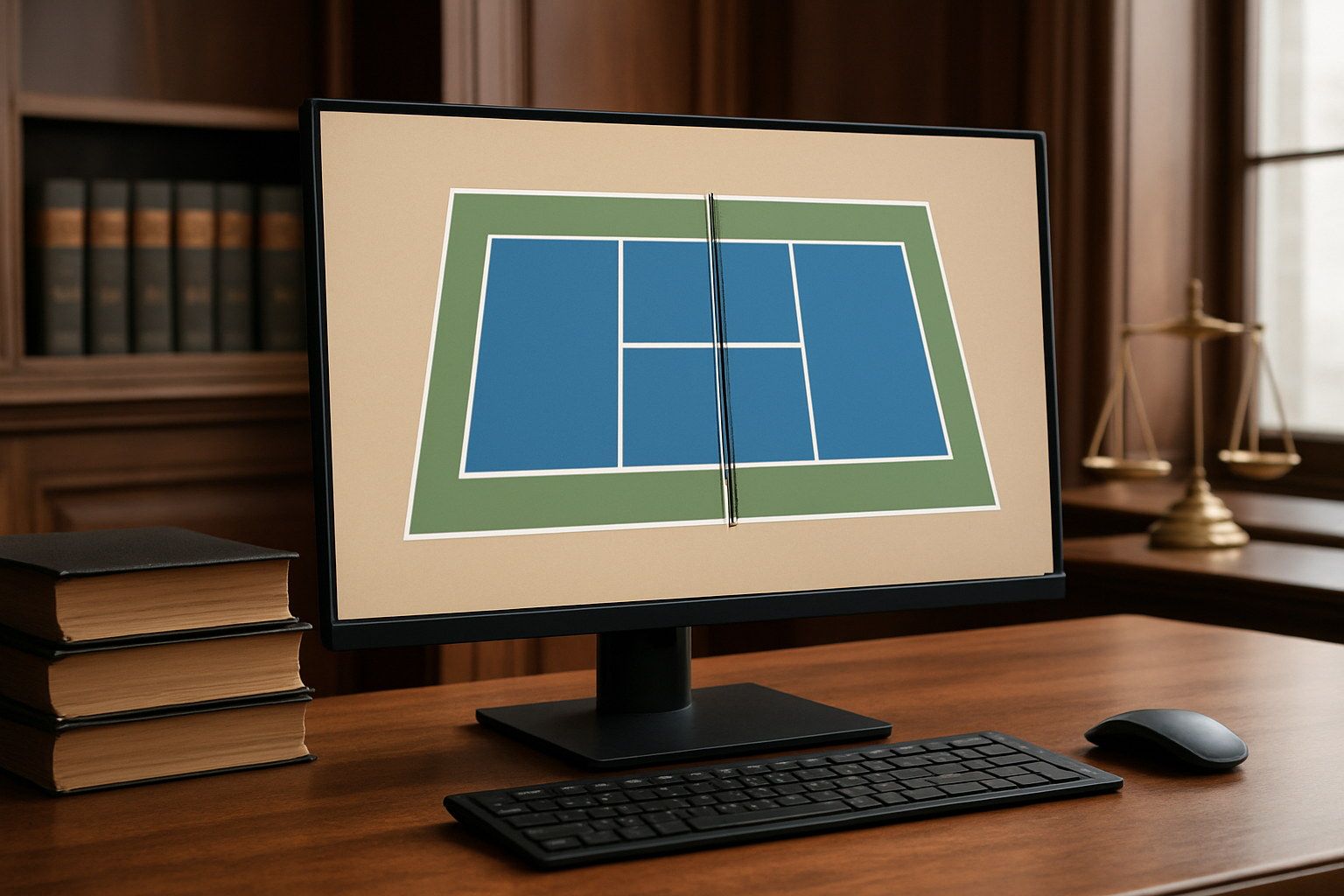
The fastest-growing sport in the country now has courts in parks, gyms, clubs, and recreation centers spread across nearly every city. Yet many players still struggle to find the right place to play. A good pickleball court finder does more than display a list of addresses — it delivers the kind of specific, verified detail that helps players arrive prepared and get straight into the game.
Table of Contents
- Why do players often have trouble finding accurate court information?
- What role does location-based search play in a court finder?
- How does open play availability affect which court a player should choose?
- What is the difference between reservation-based courts and walk-on courts?
- How do paid facilities differ from free public courts in terms of experience?
- Can a court finder help players identify facilities with lessons or coaching available?
- How should players evaluate a court finder before relying on it regularly?
Why do players often have trouble finding accurate court information?
Court information changes frequently. Hours shift seasonally, fees are updated, facilities close for renovation, and new courts open without widespread announcement. Most general directories and social media groups lag behind these changes. A dedicated pickleball court finder that tracks update dates and verification status addresses this problem directly. When players can see that a listing was reviewed recently, they gain the confidence to plan around that information rather than treat it as a best guess.
What role does location-based search play in a court finder?
Searching by city, ZIP code, or current location is the foundation of any effective court finder. Broad geographic searches help travelers and new residents identify available options across an area. Narrow searches help regular players find courts within a specific distance from home. Pickleball Lookup organizes verified listings by city — covering major hubs like Orlando and Jacksonville as well as smaller communities including Leesburg, Casselberry, and Fernandina Beach — giving players meaningful results regardless of where they are starting from.
How does open play availability affect which court a player should choose?
Open play sessions allow players to show up without a partner or a pre-formed group. These sessions are particularly valuable for solo players, those who have recently moved to an area, and anyone looking to play above their usual competitive level. Not every facility offers open play, and those that do may restrict it to specific days or time windows. A court finder that filters for open play availability narrows the list quickly and saves players from contacting facilities individually to confirm scheduling.
What is the difference between reservation-based courts and walk-on courts?
Reservation-based courts require players to book a time slot in advance, often through an app or facility management system. Walk-on or open play courts allow players to arrive and claim a court based on availability. Each model suits a different type of player. Those with predictable schedules often prefer reservations for guaranteed access. Players with flexible availability tend to favor walk-on courts. A court finder that identifies which model each facility operates under helps players plan sessions without the frustration of arriving unprepared.
How do paid facilities differ from free public courts in terms of experience?
Free public courts offer accessibility and community. They are open to anyone, often located in parks with additional recreational amenities, and operate without booking friction. Paid facilities — like dedicated pickleball clubs and private racquet centers — typically offer more courts, better maintenance, structured programming, professional instruction, and social events. The trade-off is cost and, in some cases, membership requirements. A court finder that displays fee status clearly allows players to make that choice intentionally rather than discover it after arriving on-site.
Can a court finder help players identify facilities with lessons or coaching available?
Yes. Many court finders include a filter for facilities that offer instruction. For developing players, access to professional coaching accelerates improvement significantly. Facilities that list lessons as an available feature signal that they cater to players across skill levels, which also tends to mean a more welcoming environment for those still learning the game. Filtering for this option narrows a broad court list down to venues that align with a player’s development goals.
How should players evaluate a court finder before relying on it regularly?
The key indicators of a reliable court finder are data transparency, update frequency, and filter depth. A tool that shows verification dates, distinguishes confirmed details from unverified placeholders, and supports filtering by specific amenities gives players the information they need to make confident decisions. Pickleball Lookup applies these standards across all listings, displaying a Court IQ score and a last-checked date for every court in its directory. Players who understand how a platform manages its data are better positioned to trust its results and build a consistent playing routine around them.
At a Glance
- The fastest-growing sport in the country now has courts in parks, gyms, clubs, and recreation centers across nearly every city.
- Many players struggle to find accurate court information due to frequent changes in hours, fees, and facilities.
- Pickleball Lookup organizes verified listings by city, helping players find courts regardless of their location.
- Open play sessions allow players to join without a partner, making them valuable for solo players and newcomers.
- There are notable differences between reservation-based and walk-on courts, catering to different player schedules and preferences.
- A reliable court finder should exhibit data transparency, update frequency, and robust filters to assist players in making informed choices.