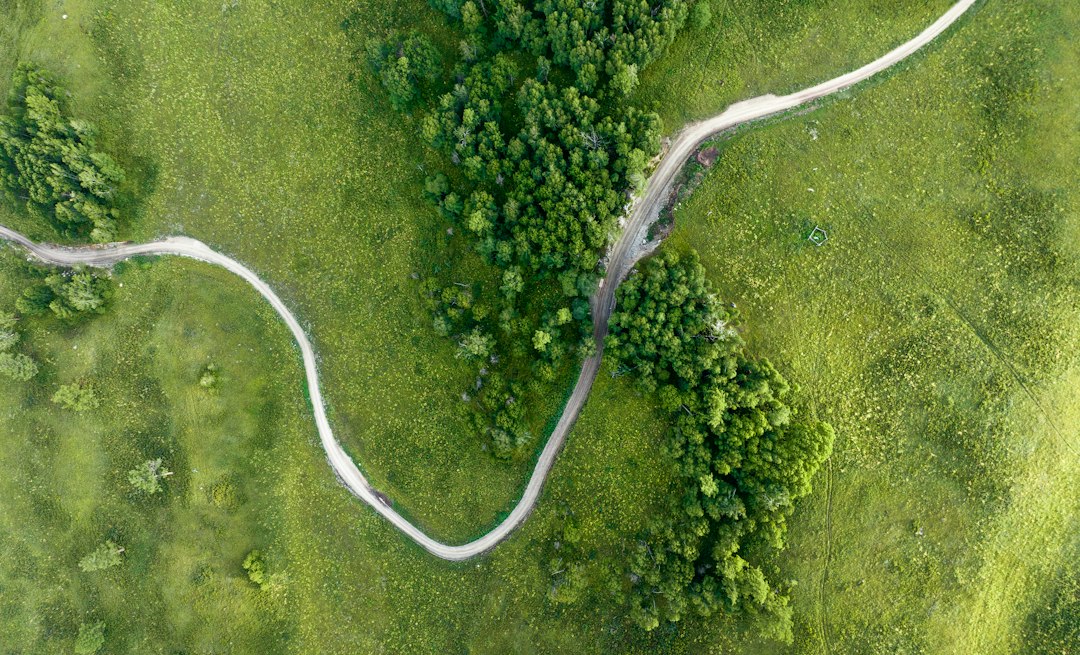



The role of nature photographers has evolved significantly in the modern visual landscape, blending artistic expression with environmental awareness. In today’s digital era, nature photography is not only about capturing scenic beauty but also about creating meaningful visual narratives that connect audiences with the natural world. This transformation has positioned nature photographers as both artists and storytellers with a global influence.
What defines nature photographers in the modern creative industry
Nature photographers specialize in capturing images of landscapes, wildlife, plants, and natural elements in their authentic environments. This genre emphasizes aesthetic value and visual storytelling, often prioritizing beauty and emotional depth over documentation.
The scope of nature photography is broad, covering everything from sweeping landscapes to intricate macro details. This diversity allows photographers to explore multiple creative directions while maintaining a consistent connection to nature.
Professionally, nature photographers are distinguished by their ability to observe, anticipate, and capture moments that are both fleeting and impactful. Their work often reflects patience, technical skill, and a deep understanding of natural environments.
How nature photographers create value through visual storytelling
The success of nature photographers is closely tied to their ability to tell compelling stories through images. Each photograph represents more than a visual composition; it conveys emotion, atmosphere, and context.
Statistical observation shows that images with strong narratives tend to generate higher engagement across digital platforms. This includes photographs that highlight seasonal transitions, animal behavior, or environmental contrasts.
Storytelling also enhances the perceived value of the artwork. Buyers and viewers are more likely to connect with images that evoke curiosity or emotional resonance, making narrative a critical component of professional nature photography.
Why patience and observation are essential skills
Nature photography is inherently unpredictable. Unlike studio settings, photographers must work within changing conditions such as weather, lighting, and animal movement. This unpredictability requires patience and adaptability.
Professional nature photographers often spend extended periods waiting for the perfect moment. This could involve observing wildlife behavior or tracking natural light patterns throughout the day.
The ability to remain attentive and responsive in these conditions is a defining characteristic of successful photographers in this field. It transforms ordinary scenes into extraordinary visual experiences.
How technical expertise influences professional outcomes
Technical skill plays a crucial role in achieving high-quality results in nature photography. Photographers must understand camera settings, composition techniques, and equipment usage to capture sharp and well-balanced images.
Different subjects require different approaches. For example, wildlife photography often demands fast shutter speeds and telephoto lenses to capture movement, while landscape photography focuses on composition and lighting.
This combination of technical precision and creative vision allows photographers to produce images that meet professional standards while maintaining artistic integrity.
What role ethics and responsibility play in nature photography
Ethical considerations are central to the work of nature photographers. Respecting wildlife and natural habitats is essential for maintaining ecological balance and ensuring sustainable practices.
Professional photographers prioritize the well-being of their subjects, often maintaining safe distances and avoiding interference with natural behavior.
This responsible approach not only protects the environment but also enhances the authenticity of the images. Ethical practices contribute to the credibility and long-term success of nature photographers.
How nature photographers contribute to environmental awareness
Nature photography has become a powerful tool for raising awareness about environmental issues. Images that highlight biodiversity, climate change, or habitat loss can inspire action and promote conservation efforts.
Photographs have the ability to communicate complex issues in a simple and impactful way. They create emotional connections that encourage viewers to reflect on their relationship with nature.
This influence extends beyond art, positioning nature photographers as advocates for environmental preservation and sustainability.
Why digital platforms are expanding opportunities
The rise of digital platforms has significantly expanded the reach of nature photographers. Artists can now showcase their work to global audiences without geographical limitations.
Online galleries, print-on-demand services, and social media platforms provide multiple avenues for visibility and revenue generation. This accessibility has democratized the field, allowing both emerging and established photographers to thrive.
Data trends indicate that consistent online presence and portfolio updates improve discoverability and audience engagement. This makes digital strategy an essential component of a successful photography career.
How emotional connection drives audience engagement
Nature photography resonates with audiences because it reflects universal themes such as beauty, tranquility, and wonder. Large-scale landscapes and intimate wildlife portraits both create strong emotional responses.
Research-backed observations suggest that spending time observing nature, even through images, can reduce stress and enhance well-being.
This emotional impact increases the appeal of nature photography in both personal and commercial contexts, making it a valuable addition to living and working spaces.
How aspiring photographers can develop a professional approach
Developing a career in nature photography requires a balance of creativity, technical knowledge, and persistence. Building a strong portfolio is essential for establishing credibility and attracting opportunities.
Consistency in style and subject matter helps create a recognizable identity. Photographers who focus on a particular niche, such as wildlife or landscapes, often achieve greater success in building a dedicated audience.
Continuous learning and adaptation are also important. As technology and trends evolve, photographers must refine their techniques and explore new creative possibilities.
What future trends indicate for nature photographers
The future of nature photography is shaped by advancements in technology and increasing environmental awareness. High-resolution imaging, drone photography, and AI-assisted editing are expanding creative possibilities.
At the same time, there is a growing demand for authentic and meaningful content. Audiences are increasingly drawn to images that reflect real experiences and genuine connections with nature.
Sustainability is also becoming a key focus. Photographers who adopt eco-friendly practices and promote conservation are likely to gain greater recognition and support.
Conclusion
Nature photographers play a vital role in bridging the gap between art and the natural world. Through their lens, they capture moments that inspire, educate, and connect audiences with the environment. Their work combines creativity, technical expertise, and ethical responsibility to produce images that hold both artistic and social value.
As the industry continues to evolve, nature photographers who embrace innovation, maintain authenticity, and prioritize environmental respect will remain at the forefront of this dynamic and impactful field.